
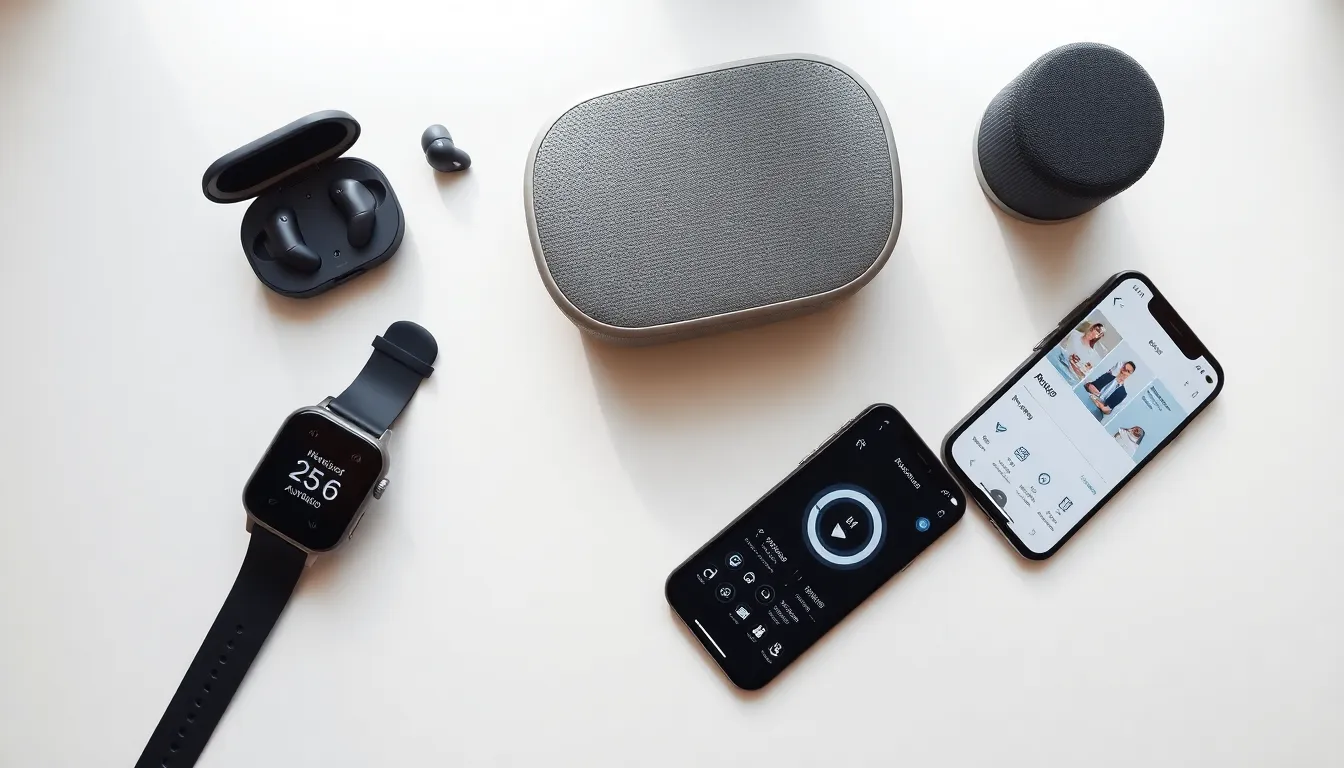
Gadgets have transformed how people work, relax, and manage their daily routines. From smart speakers that control entire homes to fitness trackers that monitor sleep patterns, these devices save time and reduce stress. The right gadgets can automate tedious tasks, boost productivity, and even improve health outcomes.
This guide covers essential gadgets across four categories: smart home devices, wearable technology, portable work and travel gear, and selection tips. Each section highlights practical options that deliver real value without unnecessary complexity.
Table of Contents
ToggleKey Takeaways
- Smart home gadgets like speakers, thermostats, and video doorbells automate daily tasks and can reduce energy bills within the first year.
- Wearable gadgets such as smartwatches and fitness trackers provide actionable health data that helps users improve exercise, diet, and sleep habits.
- Portable gadgets like GaN chargers and power banks keep devices powered on the go while reducing cable clutter for travelers and remote workers.
- Before buying any gadget, identify the specific problem you want to solve to avoid unused devices collecting dust.
- Always check ecosystem compatibility—mixing Apple, Google, and Amazon gadgets can create setup headaches and limit seamless integration.
- Factor in subscription costs for cloud storage, cellular plans, and premium app features when calculating a gadget’s true value.
Smart Home Devices Worth Your Investment
Smart home gadgets offer convenience that quickly becomes indispensable. These devices connect to WiFi networks and respond to voice commands or smartphone apps, putting control of lights, thermostats, and security systems at users’ fingertips.
Smart Speakers and Displays
Smart speakers like the Amazon Echo and Google Nest Hub serve as central hubs for home automation. They play music, answer questions, set timers, and control other connected gadgets. The display versions add visual elements, showing recipes, video calls, and security camera feeds.
Most households find a single smart speaker sufficient for voice control. But, adding units in bedrooms and kitchens extends coverage throughout the home.
Smart Thermostats
Devices like the Nest Learning Thermostat and Ecobee SmartThermostat reduce energy bills by learning household schedules. They adjust temperatures automatically when residents leave and return. Many utility companies offer rebates for smart thermostat installation, making these gadgets cost-effective within the first year.
Video Doorbells and Security Cameras
Ring and Arlo produce popular video doorbells that stream footage to smartphones. Users can see and speak with visitors from anywhere. Motion detection alerts notify homeowners of activity, adding a layer of security without monthly monitoring fees (though cloud storage often requires subscription).
Smart Plugs and Lighting
Smart plugs transform ordinary appliances into connected gadgets. Plugging a lamp or fan into these devices enables voice and app control. Smart bulbs from Philips Hue and LIFX offer millions of color options and scheduling features. Starting with a few smart plugs provides an affordable entry point into home automation.
Wearable Technology For Health And Productivity
Wearable gadgets sit on wrists, clip to clothing, or fit in ears. They track fitness metrics, deliver notifications, and help users stay focused throughout the day.
Fitness Trackers and Smartwatches
The Apple Watch Series 9 and Samsung Galaxy Watch 6 lead the smartwatch market. These gadgets monitor heart rate, blood oxygen levels, and sleep quality. They also display texts, emails, and calendar reminders without requiring users to check their phones constantly.
For those who want simpler devices, Fitbit and Garmin offer fitness trackers focused purely on health metrics. Battery life often lasts a week or more, a significant advantage over full smartwatches that need daily charging.
Wireless Earbuds
AirPods Pro and Sony WF-1000XM5 earbuds have become essential gadgets for commuters and remote workers. Active noise cancellation blocks distractions during focused work sessions. Transparency modes let ambient sound through when awareness matters, like walking through busy streets.
Budget options from Samsung and Jabra deliver solid audio quality at lower price points. Most wireless earbuds now include touch controls for playback, calls, and voice assistant activation.
Health Monitoring Devices
Gadgets like the Oura Ring track sleep stages with clinical-level accuracy. Continuous glucose monitors from Dexcom help diabetics manage blood sugar without finger pricks. Even smart scales from Withings measure body composition and sync data to health apps.
These wearable gadgets generate actionable data. Users who review their stats regularly often make better decisions about exercise, diet, and rest.
Portable Gadgets For Work And Travel
Mobile professionals and frequent travelers rely on portable gadgets that work anywhere. Lightweight, durable devices keep productivity high whether working from coffee shops, airports, or hotel rooms.
Power Banks and Charging Solutions
A dead phone battery can derail an entire day. Anker and RAVPower produce reliable power banks with capacities ranging from 5,000mAh (one phone charge) to 26,800mAh (multiple device charges). Some models support laptop charging via USB-C Power Delivery.
GaN (gallium nitride) chargers pack more power into smaller sizes. A single 65W GaN charger can replace separate adapters for phones, tablets, and laptops, reducing cable clutter significantly.
Portable Keyboards and Mice
Foldable Bluetooth keyboards transform tablets into productivity machines. Logitech’s K380 connects to three devices simultaneously, switching between them with dedicated buttons. Compact travel mice like the MX Anywhere 3 work on any surface, including airplane tray tables.
These gadgets add minimal weight to bags while dramatically improving typing speed and comfort during extended work sessions.
Noise-Canceling Headphones
Over-ear headphones from Sony (WH-1000XM5) and Bose (QuietComfort Ultra) remain the gold standard for travel. They block engine noise on flights, create quiet zones in busy cafes, and deliver excellent audio quality for calls. Most models fold flat for easy packing.
Portable WiFi Hotspots
Mobile hotspots provide reliable internet when hotel WiFi fails or public networks seem sketchy. Devices from Skyroam and GlocalMe work internationally, saving travelers from expensive roaming charges. Some gadgets include built-in power banks, serving dual purposes.
How To Choose The Right Gadgets For Your Needs
Buying gadgets without a clear purpose leads to unused devices collecting dust. A few questions help narrow down options and ensure purchases deliver actual value.
Identify Specific Problems
Start with friction points in daily routines. Does morning chaos result from oversleeping? A smart light that simulates sunrise might help. Do long commutes feel unproductive? Noise-canceling earbuds could transform that time into podcast listening or audiobook sessions.
Gadgets solve problems best when those problems are clearly defined first.
Check Ecosystem Compatibility
Apple devices work seamlessly together but less smoothly with Android products. Google and Amazon smart home gadgets integrate differently depending on existing setups. Before purchasing, verify that new gadgets connect with current phones, speakers, and apps.
Mixing ecosystems creates headaches. Sticking with one platform (or at least one per category) simplifies setup and daily use.
Read Recent Reviews
Gadgets evolve quickly. A device praised two years ago may have better alternatives today. Check reviews from the past six months to ensure the information reflects current performance and software updates.
User reviews on Amazon and Best Buy reveal real-world issues that professional reviewers might miss, like connectivity problems or faster-than-expected battery degradation.
Consider Total Cost of Ownership
Some gadgets require subscriptions for full functionality. Cloud storage for security cameras, cellular plans for smartwatches, and premium tiers for fitness apps add ongoing expenses. Factor these costs into purchase decisions.
A cheaper gadget with expensive subscriptions often costs more over time than a premium device with free features.


