
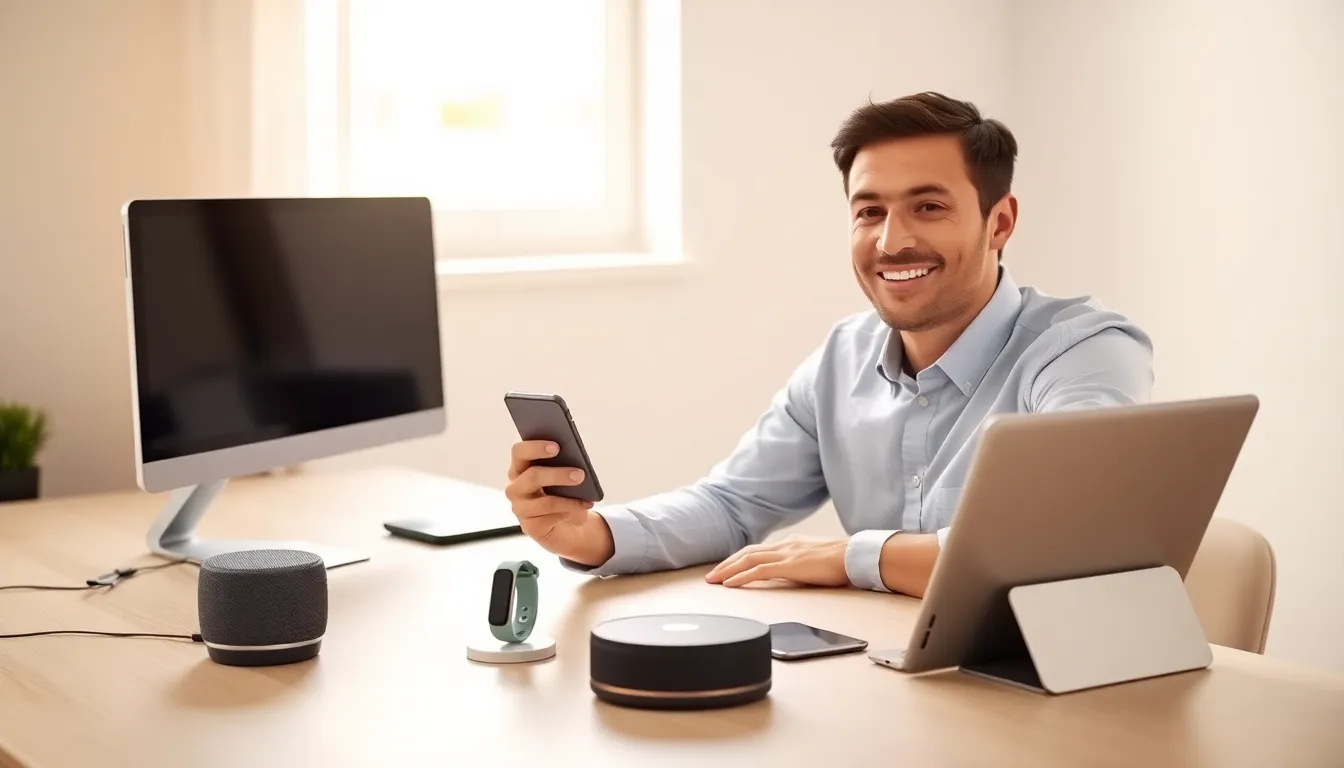
Gadgets for beginners don’t need to be complicated. The right tech can simplify daily tasks, boost productivity, and even make life more fun. But with thousands of devices on the market, picking the right one feels overwhelming, especially for someone new to the tech scene.
This guide breaks down the essentials. It covers what makes a gadget beginner-friendly, highlights the top devices worth considering, and offers practical tips for making smart purchasing decisions. Whether someone wants their first smartphone, a fitness tracker, or a smart speaker, this article provides clear direction without the jargon.
Table of Contents
ToggleKey Takeaways
- Gadgets for beginners should feature simple setup, intuitive interfaces, and affordable pricing to ensure a smooth first-time experience.
- Smartphones like the iPhone SE and Google Pixel 7a serve as ideal gateway devices for tech newcomers.
- Wearables such as the Fitbit Inspire 3 and Xiaomi Smart Band 8 offer easy health tracking without steep learning curves.
- Smart home devices like the Amazon Echo Dot and smart plugs provide simple voice-controlled automation for beginners.
- Always define a clear purpose before purchasing and read real user reviews to avoid buyer’s remorse.
- Stick to one ecosystem (Apple or Android) for seamless compatibility between your gadgets.
What Makes a Gadget Beginner-Friendly
Not all gadgets are created equal. Some devices require hours of setup and a steep learning curve. Others work right out of the box. For beginners, the second type wins every time.
Simple setup ranks as the most important feature. Gadgets for beginners should connect quickly, offer guided tutorials, and avoid confusing menus. Think plug-and-play rather than reading a 50-page manual.
Intuitive interfaces matter just as much. Touchscreens with clear icons, voice commands, and responsive buttons help new users feel confident. A gadget shouldn’t require technical expertise to operate basic functions.
Affordability also plays a role. Beginners shouldn’t invest hundreds of dollars before knowing if they’ll actually use a device. Entry-level gadgets often deliver 80% of premium features at half the price, a smart trade-off for first-time buyers.
Reliable customer support rounds out the list. Good documentation, active online communities, and responsive help lines make troubleshooting easier. Apple, Samsung, and Google score well here, which explains their popularity among tech newcomers.
Finally, compatibility deserves attention. Gadgets for beginners work best when they integrate with devices someone already owns. A smartwatch that syncs seamlessly with an existing phone creates a smoother experience than one requiring multiple apps and workarounds.
Top Gadgets Every Beginner Should Consider
Certain device categories stand out as ideal starting points. These gadgets offer practical value, gentle learning curves, and broad appeal.
Smartphones and Tablets
Smartphones serve as the gateway gadget for most beginners. They combine communication, entertainment, productivity, and internet access in one portable package.
For first-time smartphone users, the Apple iPhone SE offers a familiar interface at a reasonable price point. Android users might prefer the Google Pixel 7a, which delivers excellent camera quality and clean software without bloatware.
Tablets work well for beginners who want larger screens for reading, streaming, or video calls. The Apple iPad (10th generation) remains a top choice, while the Samsung Galaxy Tab A9+ provides a solid Android alternative. Both devices feature long battery life and access to millions of apps.
Wearable Technology
Wearables introduce beginners to health tracking without demanding much technical knowledge. These gadgets sit on the wrist and quietly collect useful data.
The Fitbit Inspire 3 appeals to fitness newcomers. It tracks steps, heart rate, and sleep patterns through a simple app. Setup takes minutes, and the interface stays uncluttered.
For those wanting more features, the Apple Watch SE bridges the gap between fitness tracker and smartwatch. It handles notifications, music playback, and even emergency calls, all controlled through an intuitive crown dial.
Budget-conscious beginners often start with the Xiaomi Smart Band 8. It costs under $50 yet delivers accurate activity tracking and a two-week battery life.
Smart Home Devices
Smart home gadgets transform living spaces with voice commands and automation. They’re surprisingly easy to set up and use daily.
Smart speakers make excellent first purchases. The Amazon Echo Dot (5th Gen) responds to voice commands, plays music, answers questions, and controls other smart devices. The Google Nest Mini offers similar features with Google Assistant integration.
Smart plugs represent the simplest entry point for home automation. Devices like the TP-Link Kasa Smart Plug turn any lamp or appliance into a voice-controlled device. They cost around $15 and work with existing smart speakers.
Video doorbells add security without complexity. The Ring Video Doorbell (2nd Gen) sends smartphone alerts when visitors arrive and allows two-way conversation, no professional installation required.
Tips for Choosing Your First Gadgets
Smart shopping habits prevent buyer’s remorse. These tips help beginners pick gadgets they’ll actually use.
Start with a clear purpose. Before browsing, define what problem the gadget should solve. Wanting “something cool” leads to impulse purchases that gather dust. Wanting to “track daily steps and sleep quality” points directly to fitness trackers.
Read user reviews, not just expert opinions. Professional reviewers test dozens of gadgets yearly. Average users reveal how devices perform after months of real-world use. Amazon reviews, Reddit threads, and YouTube comments offer honest perspectives.
Consider the ecosystem. Gadgets for beginners work best within compatible systems. Someone with an iPhone benefits from AirPods and Apple Watch. Android users gain more from Galaxy Buds and Wear OS devices. Mixing ecosystems creates friction.
Don’t chase the newest model. Previous-generation gadgets often deliver excellent value. A year-old smartphone typically runs current apps just fine while costing significantly less than the latest release.
Check return policies. Even well-researched purchases sometimes disappoint. Buying from retailers with generous return windows, like Amazon, Best Buy, or Costco, provides a safety net for beginners still discovering their preferences.
Set a realistic budget. Quality gadgets for beginners exist at every price point. Spending $200-300 on a first smartwatch seems excessive when $50 trackers accomplish most fitness goals equally well.


