
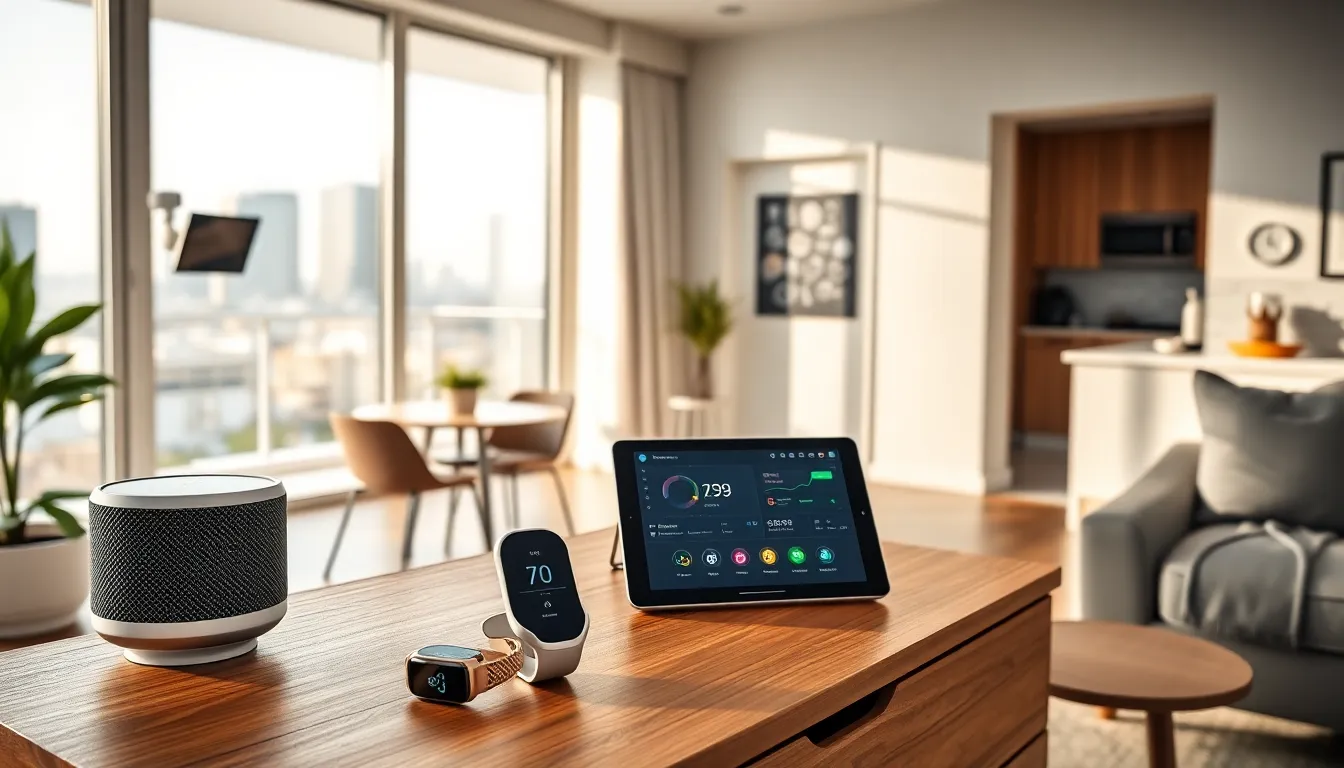
The best Internet of Things devices in 2025 are smarter, faster, and more connected than ever before. IoT technology now powers everything from smart thermostats to industrial sensors. Consumers and businesses alike rely on these devices to automate tasks, track health data, and improve efficiency. This guide covers the top IoT devices across categories, smart home, wearables, and business solutions. It also explains how to choose the right IoT devices for specific needs. Whether someone wants to upgrade their home or streamline operations, these picks represent the best the Internet of Things has to offer this year.
Table of Contents
ToggleKey Takeaways
- The best Internet of Things devices in 2025 prioritize reliability, security, and ease of use across smart home, wearable, and industrial categories.
- Smart thermostats like Google Nest and Ecobee can save users 10-15% on energy costs through automated temperature adjustments.
- IoT wearables such as the Apple Watch Series 10 and Samsung Galaxy Watch 7 track vital health metrics and can alert emergency contacts during falls.
- Industrial IoT solutions reduce business costs significantly, with logistics platforms cutting fuel expenses by 15-20% through route optimization.
- When choosing IoT devices, prioritize security features like end-to-end encryption, regular firmware updates, and two-factor authentication.
- Always verify device compatibility with your existing ecosystem and review manufacturer privacy policies before purchasing.
What Is the Internet of Things?
The Internet of Things (IoT) refers to a network of physical devices that connect to the internet and share data. These devices include sensors, appliances, wearables, and machines. They communicate with each other and with cloud-based systems to perform automated tasks.
A simple example: a smart thermostat learns a household’s schedule and adjusts the temperature automatically. It sends data to a smartphone app, so the user can monitor energy usage remotely. That’s IoT in action.
IoT devices work through a combination of hardware, software, and connectivity. Most use Wi-Fi, Bluetooth, Zigbee, or cellular networks to transmit information. The data they collect gets processed either locally or in the cloud. Machine learning algorithms often analyze this data to improve device performance over time.
The best Internet of Things systems prioritize three things: reliability, security, and ease of use. A device that disconnects frequently or lacks encryption isn’t worth the investment. In 2025, manufacturers have made significant progress on all three fronts, making IoT more accessible to everyday consumers and enterprises.
Top IoT Devices for Smart Homes
Smart home IoT devices remain the most popular category for consumers. They offer convenience, energy savings, and improved security. Here are the best Internet of Things devices for homes in 2025:
Smart Thermostats
The Google Nest Learning Thermostat and Ecobee Smart Thermostat Premium lead this category. Both devices learn user preferences and adjust heating and cooling schedules automatically. They integrate with voice assistants like Alexa and Google Assistant. Users report energy savings of 10-15% on average.
Smart Speakers and Displays
Amazon Echo and Google Nest Hub remain top choices. These devices serve as central hubs for controlling other IoT products. They play music, answer questions, and display video feeds from smart cameras.
Smart Security Systems
Ring, Arlo, and SimpliSafe offer complete IoT security packages. These include doorbell cameras, motion sensors, and smart locks. Users can monitor their homes from anywhere using smartphone apps. The best Internet of Things security devices now feature AI-powered person detection and package alerts.
Smart Lighting
Philips Hue and LIFX produce the most versatile smart bulbs. They offer millions of color options and integrate with all major smart home platforms. Scheduling features help reduce electricity costs.
Smart Appliances
Samsung and LG manufacture refrigerators, washers, and ovens with IoT connectivity. These appliances send maintenance alerts, suggest recipes, and optimize energy consumption.
Best IoT Wearables and Health Trackers
IoT wearables have transformed personal health monitoring. The best Internet of Things wearables in 2025 track vital signs, sleep patterns, and fitness metrics with impressive accuracy.
Smartwatches
The Apple Watch Series 10 and Samsung Galaxy Watch 7 dominate this market. Both devices monitor heart rate, blood oxygen levels, and ECG readings. They detect irregular heart rhythms and can alert emergency contacts during falls. GPS tracking, contactless payments, and app ecosystems make them essential daily tools.
Fitness Trackers
Fitbit Charge 6 and Garmin Vivosmart 5 offer excellent value for fitness-focused users. They track steps, calories, and workout intensity. Sleep tracking features help users understand their rest patterns. Battery life exceeds seven days on most models.
Health-Focused IoT Devices
Withings offers a suite of connected health devices. Their smart scale measures weight, body composition, and cardiovascular health. The Withings ScanWatch tracks blood oxygen and detects sleep apnea. These IoT devices sync data to smartphone apps, creating comprehensive health profiles.
Continuous Glucose Monitors
Dexcom G7 and Abbott’s FreeStyle Libre 3 help diabetics manage blood sugar levels. These IoT devices provide real-time glucose readings to smartphones. They eliminate the need for frequent finger pricks and improve health outcomes.
The best Internet of Things wearables share data securely with healthcare providers. This connectivity enables better remote patient monitoring and early intervention.
IoT Solutions for Business and Industry
Industrial IoT (IIoT) applications deliver significant value for businesses. Companies use connected sensors and devices to monitor equipment, optimize logistics, and reduce downtime.
Manufacturing
Siemens, Honeywell, and Rockwell Automation produce leading IIoT platforms. Their sensors monitor machine performance and predict maintenance needs before breakdowns occur. This predictive maintenance approach saves manufacturers millions in repair costs and lost production time.
Supply Chain and Logistics
IoT tracking devices from companies like Samsara and CalAmp monitor fleet vehicles and shipments. GPS sensors provide real-time location data. Temperature sensors ensure perishable goods remain within safe ranges during transport. The best Internet of Things logistics solutions reduce fuel costs by 15-20% through route optimization.
Agriculture
Smart farming uses IoT sensors to monitor soil moisture, weather conditions, and crop health. John Deere and Trimble offer precision agriculture platforms. Drones equipped with IoT sensors survey large fields and identify problem areas. These technologies help farmers increase yields while using fewer resources.
Retail
IoT devices improve retail operations through inventory management and customer analytics. Smart shelves detect low stock automatically. Beacon technology sends personalized offers to shoppers’ smartphones. Amazon’s cashier-less stores rely heavily on IoT sensors and cameras.
Energy Management
Utilities and commercial buildings use IoT systems to monitor and reduce energy consumption. Smart meters provide detailed usage data. Building automation systems adjust lighting and HVAC based on occupancy.
How to Choose the Right IoT Devices
Selecting the best Internet of Things devices requires careful consideration of several factors. Not every product fits every situation.
Compatibility
Check whether a device works with existing systems. Smart home users should verify integration with their preferred voice assistant (Alexa, Google Assistant, or Siri). Businesses need to confirm that new IoT hardware communicates with current software platforms.
Security Features
IoT devices can create security vulnerabilities if not properly protected. Look for products with end-to-end encryption, regular firmware updates, and two-factor authentication. Avoid devices from manufacturers with poor security track records.
Connectivity Requirements
Different IoT devices use different connection protocols. Some require a hub or bridge to function. Others connect directly to Wi-Fi. Consider the strength and coverage of the existing network before purchasing multiple IoT devices.
Battery Life and Power
Wearables and sensors need reliable power sources. Battery-operated devices should last at least several days between charges. Hardwired IoT devices offer unlimited runtime but require professional installation in some cases.
Data Privacy
Understand what data each device collects and where it goes. Review the manufacturer’s privacy policy. The best Internet of Things companies allow users to control their data and opt out of sharing with third parties.
Price vs. Value
Expensive doesn’t always mean better. Evaluate the features that matter most and compare options within that price range. Budget IoT devices can perform well for basic needs.


