
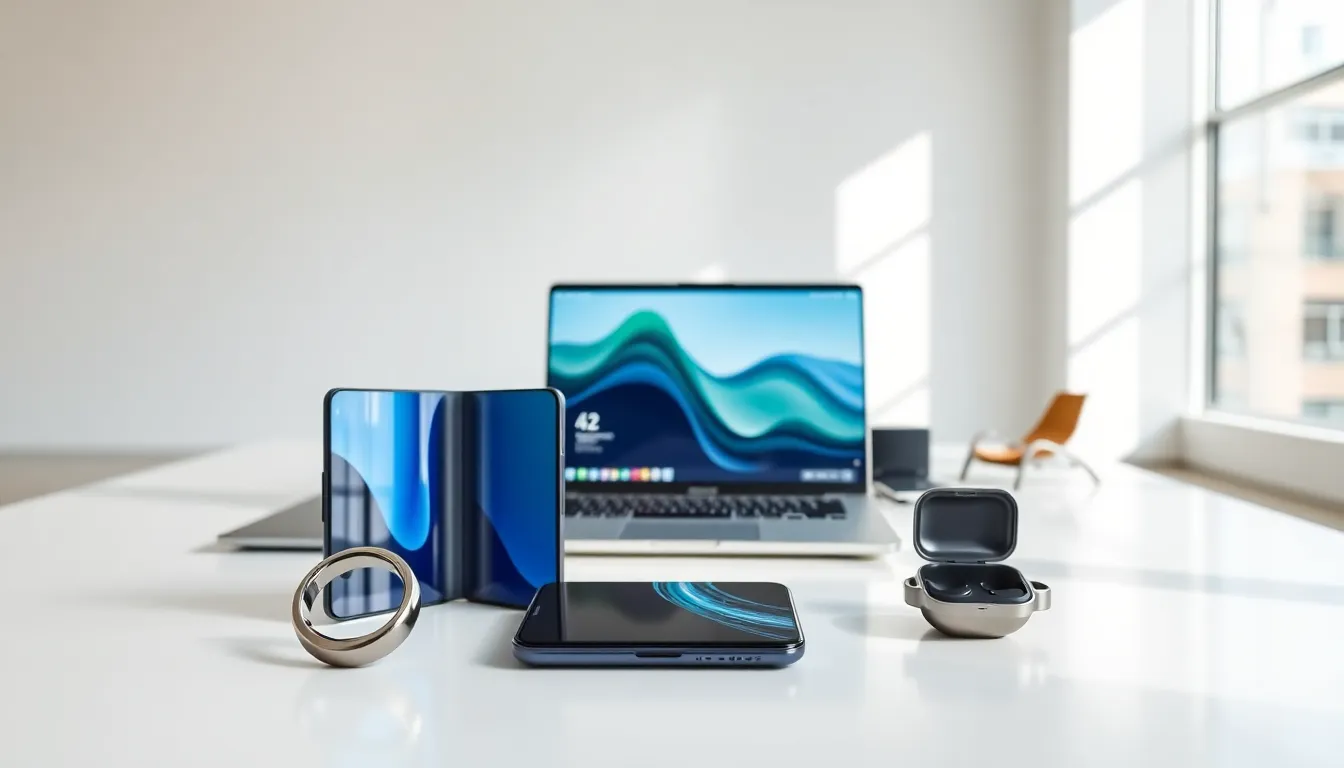
Gadget trends 2026 will reshape how people interact with technology at home, at work, and on the go. From AI-powered devices to foldable screens, the coming year promises significant shifts in consumer electronics. Manufacturers are focusing on smarter, greener, and more connected products. This article explores the key gadget trends 2026 will bring and explains why they matter for everyday users. Whether someone is a tech enthusiast or a casual buyer, understanding these developments helps with smarter purchasing decisions.
Table of Contents
ToggleKey Takeaways
- Gadget trends 2026 center on AI-powered devices that learn user habits, enhance privacy, and deliver personalized experiences with minimal setup.
- Wearable technology now offers clinical-grade health monitoring in sleeker, jewelry-like designs, making smart rings and advanced earbuds mainstream essentials.
- Sustainability drives major product changes, with manufacturers using recycled materials, modular designs for easy repairs, and trade-in programs to reduce e-waste.
- Smart home integration improves through the Matter protocol, enabling seamless control of multi-brand devices via a single app and intelligent energy management.
- Foldable and flexible displays reach mainstream affordability under $800, with improved durability and app optimization for versatile screen configurations.
- Consumers who understand these gadget trends 2026 will bring can make smarter purchasing decisions aligned with their tech needs and environmental values.
AI-Powered Devices Take Center Stage
Artificial intelligence sits at the heart of gadget trends 2026. Devices now learn user habits, anticipate needs, and respond with minimal input. Smartphones will ship with on-device AI processors that handle complex tasks without cloud connectivity. This shift improves speed and protects user privacy.
Voice assistants have grown far more capable. They understand context, remember past conversations, and complete multi-step requests. A user can ask their assistant to schedule a meeting, order coffee, and send a reminder, all in one sentence. The assistant handles each task without confusion.
AI cameras in phones and laptops now adjust settings in real time. They recognize faces, optimize lighting, and blur backgrounds automatically. Content creators benefit from these features since they spend less time editing.
Laptops and tablets feature AI-driven battery management. The system learns usage patterns and allocates power accordingly. Users get longer battery life without changing their habits. Gaming devices also use AI to upscale graphics and reduce lag. Players enjoy smoother visuals on mid-range hardware.
These AI improvements define gadget trends 2026 across categories. Consumers should expect smarter devices that require less manual setup and deliver personalized experiences.
Wearable Technology Gets Smarter and Sleeker
Wearable gadgets continue their rapid evolution in 2026. Smartwatches now monitor blood pressure, glucose levels, and hydration with clinical accuracy. These health metrics sync instantly to smartphone apps and can alert users to potential issues.
Design has improved dramatically. Wearables look more like traditional jewelry and less like chunky tech accessories. Thin bezels, curved screens, and premium materials appeal to fashion-conscious buyers. Some brands offer customizable watch faces designed by popular artists.
Fitness trackers have added recovery metrics. They measure sleep quality, stress levels, and muscle fatigue. Athletes use this data to optimize training schedules and prevent injuries. Casual users appreciate the motivation these insights provide.
Smart rings have entered the mainstream. They track steps, heart rate, and sleep without the bulk of a watch. Their discreet form factor makes them popular among users who prefer minimalist accessories.
Audio wearables have also advanced. Earbuds now offer real-time language translation during conversations. Hearing-aid features help users with mild hearing loss participate fully in group settings. These gadget trends 2026 bring wearables closer to essential daily tools rather than optional extras.
The Rise of Sustainable and Eco-Friendly Gadgets
Sustainability shapes many gadget trends 2026 will showcase. Manufacturers face pressure from consumers and regulators to reduce environmental impact. The results are visible across product lines.
Recycled materials appear in more devices. Smartphone cases use ocean plastics. Laptop bodies contain recycled aluminum. Packaging has shifted to cardboard and plant-based inks. These changes reduce waste without sacrificing quality.
Repairability has become a selling point. Companies now design products with modular components. Users can replace batteries, screens, and ports without professional help. This extends device lifespan and keeps electronics out of landfills longer.
Energy efficiency improvements lower the carbon footprint of daily gadget use. Chargers draw less standby power. Displays consume less energy at equivalent brightness. Data centers that power cloud services run on renewable energy more often.
Some brands offer trade-in and recycling programs. They refurbish old devices or extract valuable materials for reuse. Consumers receive discounts on new purchases, creating a circular economy.
These eco-friendly gadget trends 2026 highlight reflect growing awareness. Buyers increasingly choose brands that align with their environmental values.
Advances in Smart Home Integration
Smart home technology reaches new levels of cohesion in 2026. The Matter protocol has matured, allowing devices from different manufacturers to work together seamlessly. A single app can control lights, locks, thermostats, and appliances regardless of brand.
Voice control has expanded throughout homes. Kitchen appliances respond to spoken commands. Refrigerators suggest recipes based on their contents. Ovens preheat on schedule. These features save time and reduce mental load.
Security systems have grown more intelligent. Cameras distinguish between family members, delivery workers, and strangers. They send relevant alerts rather than constant notifications. Smart locks recognize faces and voices to grant entry without keys or codes.
Energy management tools help homeowners reduce utility bills. Smart thermostats learn occupancy patterns and adjust temperatures automatically. Solar panel systems communicate with home batteries to store and distribute power efficiently.
Robotic assistants handle household chores. Advanced vacuum robots navigate complex floor plans and empty their own dustbins. Lawn mowers cut grass on schedule without supervision.
These smart home gadget trends 2026 introduces make connected living more practical. The technology works quietly in the background, simplifying daily routines.
Foldable and Flexible Displays Go Mainstream
Foldable devices have moved beyond early adopter territory. Gadget trends 2026 show these products reaching mainstream price points and wider availability. Major manufacturers now offer foldable phones under $800.
Durability concerns have been addressed. New hinge designs withstand 400,000 folds, equivalent to decades of normal use. Screen protectors integrate directly into displays. Crease visibility has decreased significantly.
Foldable tablets offer laptop-like productivity in portable form factors. Users unfold a 12-inch screen from a pocket-sized device. Multitasking works naturally with split-screen apps.
Flexible displays appear in unexpected places. Car dashboards curve around drivers for better visibility. Wearable screens wrap around wrists like traditional watch bands. Portable monitors roll up for easy transport.
Content consumption benefits from larger screens. Streaming video, gaming, and reading all improve on foldable devices. The extra display space justifies the higher cost for many buyers.
App developers have optimized their software for flexible form factors. Social media, productivity tools, and games adapt smoothly to different screen configurations.
These foldable gadget trends 2026 represents suggest a future where screen size no longer limits portability. Users can have both convenience and generous display real estate.


