
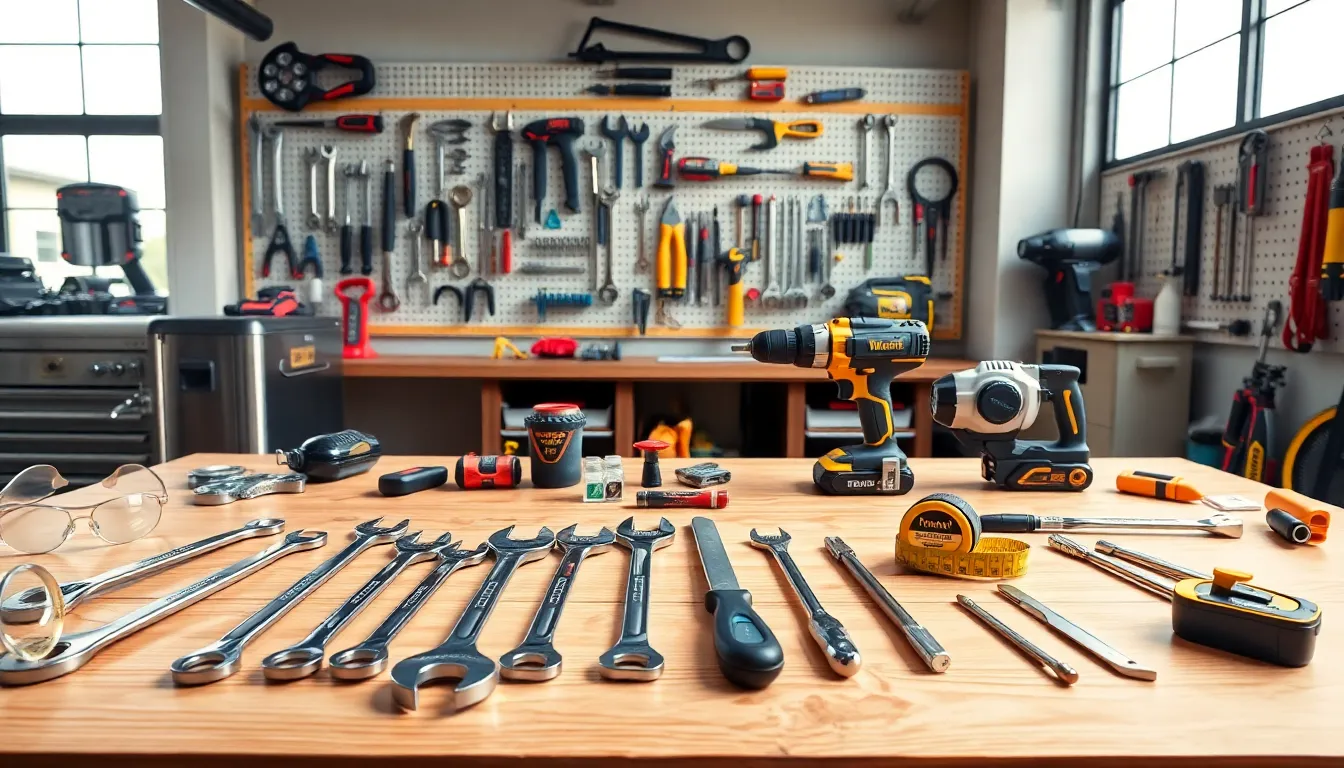
Hardware tools form the backbone of any successful project, whether it’s a simple home repair or a large-scale construction job. From hammers and screwdrivers to drills and saws, the right equipment makes all the difference between frustration and efficiency.
This guide covers essential hardware tools every workshop needs. It explains the differences between hand tools and power tools, offers practical advice on selecting the right equipment, and shares maintenance tips that extend the life of your investment. By the end, you’ll know exactly which hardware tools belong in your collection and how to use them safely.
Table of Contents
ToggleKey Takeaways
- Hardware tools are essential for any project—hand tools offer precision and portability, while power tools maximize efficiency and speed.
- Every workshop needs core hand tools including hammers, screwdrivers, wrenches, measuring tools, and cutting implements.
- Mid-range hardware tools typically deliver the best value, balancing durability and cost without overspending on rarely-used professional features.
- Keep cutting edges sharp and clean your tools after each use to extend their lifespan and maintain performance.
- Always wear proper safety gear—safety glasses, hearing protection, dust masks, and gloves—when operating hardware tools.
- Choose between corded and cordless options based on your workspace; cordless offers mobility while corded provides consistent power.
Types of Hand Tools Every Workshop Needs
Hand tools are the foundation of any toolkit. They don’t require electricity, they’re portable, and they offer precise control for detailed work. Every workshop, whether professional or home-based, needs a solid collection of these hardware tools.
Hammers and Mallets
A claw hammer handles most general tasks. It drives nails and removes them with the curved end. Rubber mallets work better for jobs that require force without surface damage, like assembling furniture or adjusting parts.
Screwdrivers
Keep both flathead and Phillips screwdrivers in multiple sizes. A good set covers everything from electronics repair to cabinet installation. Magnetic tips help hold screws in place during awkward angles.
Wrenches and Pliers
Adjustable wrenches fit various bolt sizes, making them versatile additions to any toolkit. Combination wrench sets provide fixed sizes for specific applications. Needle-nose pliers reach tight spaces, while slip-joint pliers grip objects of different thicknesses.
Measuring and Marking Tools
Accurate measurements prevent costly mistakes. A retractable tape measure (at least 25 feet) handles most projects. Carpenter’s squares ensure right angles. Levels confirm surfaces are flat or plumb. These hardware tools seem basic, but skipping them leads to crooked shelves and misaligned frames.
Cutting Tools
Hand saws cut wood, plastic, and soft metals. Utility knives slice through cardboard, drywall, and packaging. Tin snips handle sheet metal. Keep blades sharp, dull cutting tools require more force and produce poor results.
Power Tools for Efficiency and Precision
Power tools multiply productivity. They complete tasks faster and often deliver cleaner results than manual alternatives. These hardware tools represent a bigger investment, but serious DIYers and professionals consider them essential.
Drills and Impact Drivers
Cordless drills top the list of must-have power tools. They bore holes and drive screws with minimal effort. Impact drivers provide extra torque for long screws and lag bolts. Battery technology has improved dramatically, modern lithium-ion batteries last longer and charge faster than older models.
Circular Saws
Circular saws cut lumber quickly and accurately. They handle straight cuts through plywood, dimensional lumber, and sheet goods. Adjustable depth settings allow partial cuts. A quality circular saw replaces hand saws for most cutting tasks.
Sanders
Power sanders smooth surfaces in a fraction of the time hand-sanding requires. Orbital sanders work well for finishing. Belt sanders remove material quickly. These hardware tools prepare surfaces for painting, staining, or final assembly.
Jigsaws and Reciprocating Saws
Jigsaws excel at curved cuts and intricate shapes. They cut wood, metal, and plastic with the right blade. Reciprocating saws handle demolition work and cut through materials in tight spaces.
Rotary Tools
Rotary tools perform detailed work like engraving, polishing, and grinding. Their small size allows access to areas larger hardware tools can’t reach. Various attachments expand their capabilities significantly.
How to Choose the Right Hardware Tools for Your Projects
Selecting hardware tools requires thought about current needs and future projects. Smart buyers avoid cheap equipment that fails quickly while also skipping professional-grade tools they’ll rarely use.
Assess Your Typical Projects
Homeowners who handle basic repairs need different hardware tools than woodworkers building furniture. Make a list of projects you complete regularly. Focus purchases on tools that serve those needs first.
Quality Versus Price
Mid-range hardware tools often deliver the best value. They offer durability without the premium pricing of professional models. Look for warranties, reputable manufacturers stand behind their products. Avoid the cheapest options: they break, wear out quickly, and frustrate users.
Corded Versus Cordless
Cordless tools provide mobility and convenience. They work anywhere without extension cords. But, corded versions deliver consistent power and never need battery replacements. Consider where you’ll work most often. Garage workshops benefit from corded tools, while jobsite work favors cordless.
Ergonomics Matter
Hardware tools should feel comfortable during extended use. Grip size, weight distribution, and vibration levels affect fatigue. If possible, handle tools before buying. What feels good in hand for thirty seconds may cause strain after thirty minutes.
Brand Ecosystems
Many manufacturers use shared battery platforms across their cordless tool lines. Committing to one brand means batteries and chargers work interchangeably. This reduces costs and simplifies storage.
Proper Maintenance and Safety Tips
Hardware tools last longer and perform better with regular maintenance. Safe handling practices prevent injuries that sideline projects and send people to emergency rooms.
Keep Tools Clean
Wipe down hardware tools after each use. Remove sawdust, metal shavings, and debris. Clean tools resist rust and corrosion. Store them in dry locations away from moisture.
Sharpen Cutting Edges
Dull blades and bits work harder and produce rough results. Sharpen saw blades, chisels, and drill bits regularly. Replace worn cutting surfaces promptly. Sharp hardware tools cut cleaner and require less force.
Inspect Before Use
Check power cords for damage. Look for cracks in handles. Test battery connections. Inspect guards and safety features. Catching problems early prevents accidents and tool failures mid-project.
Wear Proper Safety Gear
Safety glasses protect eyes from flying debris. Hearing protection guards against loud power tools. Dust masks prevent lung irritation. Work gloves shield hands from splinters and sharp edges. Never skip protective equipment.
Follow Manufacturer Instructions
Read manuals before operating new hardware tools. Understand speed settings, proper blade installation, and capacity limits. Operating tools incorrectly causes damage and creates hazards.
Organize Your Workspace
Clutter causes accidents. Keep work areas clear. Secure workpieces with clamps or vises. Good lighting helps users see what they’re doing. A clean, organized shop makes working with hardware tools safer and more enjoyable.


