
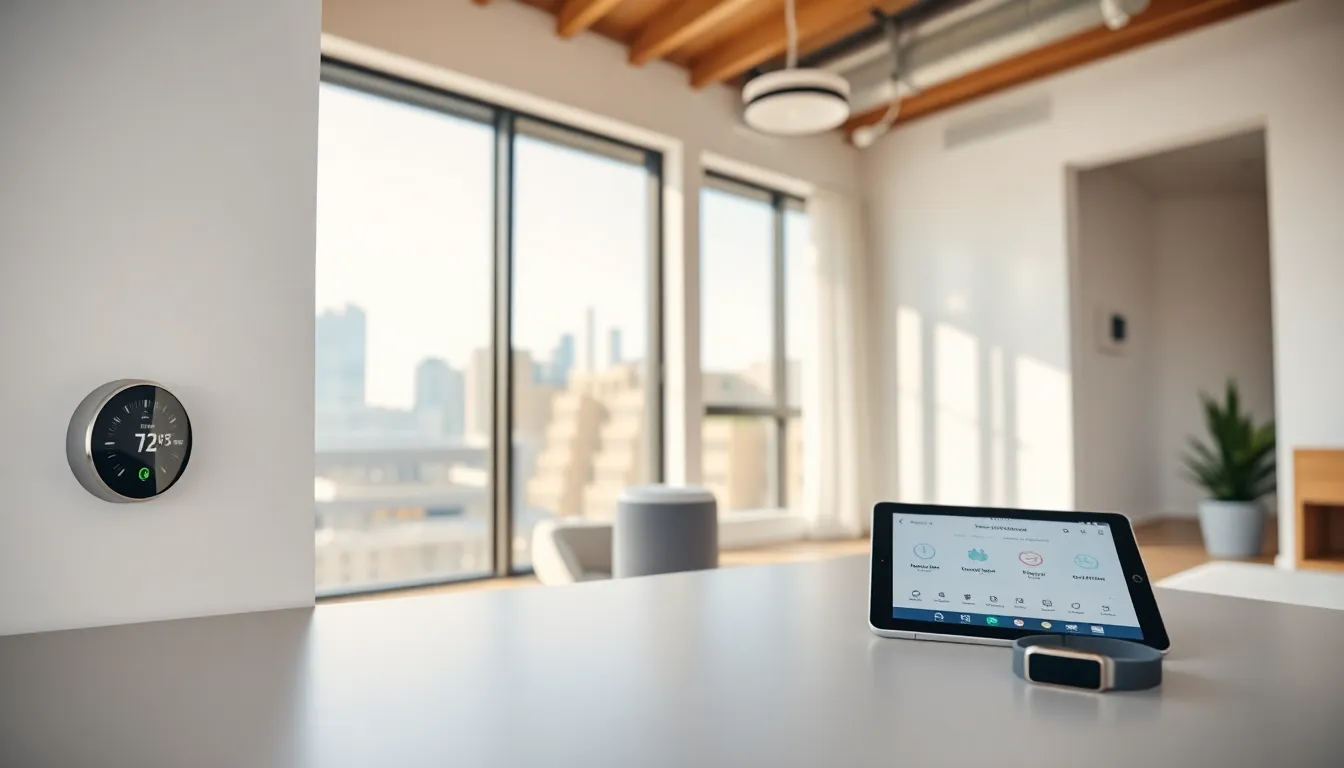
Internet of things examples surround us every day, often without us even noticing. From the thermostat that learns heating preferences to the fitness tracker counting steps, IoT devices have become part of modern routines. These connected technologies share data across networks, making homes smarter, cities more efficient, and healthcare more accessible. This article explores practical internet of things examples across four key areas: smart homes, wearable technology, industrial applications, and urban infrastructure. Each section highlights how IoT devices work and why they matter for everyday life.
Table of Contents
ToggleKey Takeaways
- Internet of things examples span four key areas: smart homes, wearable technology, industrial applications, and urban infrastructure.
- Smart thermostats and connected appliances can save homeowners up to 10% on energy bills while reducing environmental impact.
- Wearable IoT devices like smartwatches now detect health issues such as irregular heart rhythms and can automatically call emergency services after falls.
- Industrial IoT enables predictive maintenance that reduces unplanned equipment downtime by up to 50%, saving millions in repair costs.
- Smart city technologies improve daily life through adaptive traffic signals, real-time transit tracking, and environmental monitoring systems.
- From fitness trackers to smart agriculture sensors, internet of things examples demonstrate how connected devices turn everyday activities into data-driven, efficient processes.
Smart Home Devices
Smart home devices represent some of the most familiar internet of things examples for consumers. These products connect to home Wi-Fi networks and allow users to control lighting, temperature, security, and entertainment through smartphones or voice commands.
Smart Thermostats
Smart thermostats like the Google Nest and Ecobee learn household schedules and adjust temperatures automatically. They track when residents leave for work and lower heating or cooling to save energy. According to the U.S. Department of Energy, programmable thermostats can save homeowners up to 10% on heating and cooling bills annually. These internet of things examples demonstrate how connected devices reduce both costs and environmental impact.
Voice Assistants and Smart Speakers
Amazon Echo and Google Home devices serve as central hubs for smart home control. Users can ask these assistants to play music, set reminders, control lights, or check the weather. By 2024, over 200 million smart speakers were in use across American households. These devices connect to other IoT products, creating an integrated ecosystem where one voice command can dim lights, lock doors, and start a playlist simultaneously.
Security Systems and Cameras
Smart doorbells like Ring and Nest Hello send video alerts to smartphones when someone approaches the front door. Users can see visitors and speak with them remotely, even from thousands of miles away. Smart locks allow homeowners to grant temporary access codes to guests or service workers. These internet of things examples have changed home security from passive monitoring to active, real-time protection.
Connected Appliances
Refrigerators now track expiration dates and suggest recipes based on available ingredients. Washing machines send notifications when cycles complete. Robot vacuums map floor plans and clean on scheduled times. Each appliance collects usage data to improve performance and alert owners to maintenance needs.
Wearable Technology and Health Monitoring
Wearable technology has become one of the fastest-growing categories of internet of things examples. These devices sit on the body and collect health data continuously, giving users insights into their physical condition.
Fitness Trackers
Fitbit, Garmin, and similar devices monitor steps, heart rate, sleep patterns, and calories burned. They sync data to smartphone apps where users can track progress toward fitness goals. Many employers now offer wellness programs that incorporate fitness trackers, rewarding employees who meet activity targets. These internet of things examples have turned personal health into a measurable, data-driven pursuit.
Smartwatches
Apple Watch and Samsung Galaxy Watch go beyond fitness tracking. They detect irregular heart rhythms and can alert users to potential atrial fibrillation. The Apple Watch includes fall detection that automatically calls emergency services if the wearer doesn’t respond after a hard fall. In 2023, smartwatch shipments exceeded 130 million units globally, showing strong consumer adoption of these internet of things examples.
Medical Monitoring Devices
Patients with chronic conditions benefit from connected glucose monitors, blood pressure cuffs, and pulse oximeters. These devices send readings directly to healthcare providers, enabling remote patient monitoring. Doctors can spot concerning trends before they become emergencies. For elderly patients living alone, IoT medical devices provide peace of mind for both the patient and their families.
Mental Health Applications
Some wearables now track stress levels through heart rate variability and skin conductance. They prompt users to take breathing breaks or practice mindfulness when stress indicators rise. These internet of things examples show how IoT technology extends beyond physical health into emotional wellbeing.
Industrial IoT Applications
Industrial IoT (IIoT) applications transform manufacturing, agriculture, and logistics through connected sensors and automated systems. These internet of things examples operate at massive scale, often involving thousands of devices across facilities.
Predictive Maintenance
Factories install sensors on machinery to monitor vibration, temperature, and performance metrics. When readings deviate from normal patterns, the system alerts maintenance teams before equipment fails. General Electric estimates that predictive maintenance can reduce unplanned downtime by up to 50%. These internet of things examples save companies millions in repair costs and lost production time.
Supply Chain Tracking
GPS trackers and RFID tags follow products from factory floor to customer doorstep. Shipping companies monitor container locations, temperatures for perishable goods, and estimated arrival times. Walmart uses IoT sensors to track inventory levels automatically, reducing stockouts and overordering. These systems give businesses real-time visibility into their operations.
Smart Agriculture
Farmers deploy soil moisture sensors, weather stations, and drone imagery to optimize crop yields. IoT systems can trigger irrigation only when soil conditions require water, reducing usage by up to 30%. Livestock farmers use connected ear tags to monitor animal health and location. These internet of things examples help feed growing populations while conserving resources.
Energy Management
Industrial facilities use IoT sensors to track electricity, gas, and water consumption across operations. Smart meters identify waste and inefficiency in real time. Some factories have reduced energy costs by 20% through IoT-driven optimization.
Smart Cities and Transportation
Cities worldwide are adopting internet of things examples to improve traffic flow, reduce pollution, and enhance public services. These large-scale deployments connect thousands of sensors across urban infrastructure.
Traffic Management
Smart traffic lights adjust signal timing based on real-time vehicle counts. Sensors embedded in roads detect congestion and route drivers to less crowded streets through connected navigation apps. Los Angeles has deployed adaptive traffic signals that reduced travel times by 12% on major corridors. These internet of things examples directly affect daily commutes for millions of people.
Public Transportation
Buses and trains equipped with GPS transmitters show real-time locations on passenger apps. Riders know exactly when their bus will arrive, reducing wait time frustration. Transit agencies use ridership data to adjust routes and schedules based on actual demand. These internet of things examples make public transportation more reliable and user-friendly.
Smart Parking
Sensors in parking spaces detect whether spots are occupied and display availability on smartphone apps. Drivers spend less time circling for parking, which reduces fuel consumption and emissions. San Francisco’s SFpark program used smart parking to decrease greenhouse gas emissions from parking searches by 30%.
Environmental Monitoring
Air quality sensors placed throughout cities measure pollution levels and identify problem areas. Water quality monitors detect contamination in municipal supplies before it reaches homes. Cities use this data to issue health advisories and target cleanup efforts. These internet of things examples protect public health through constant environmental surveillance.


