
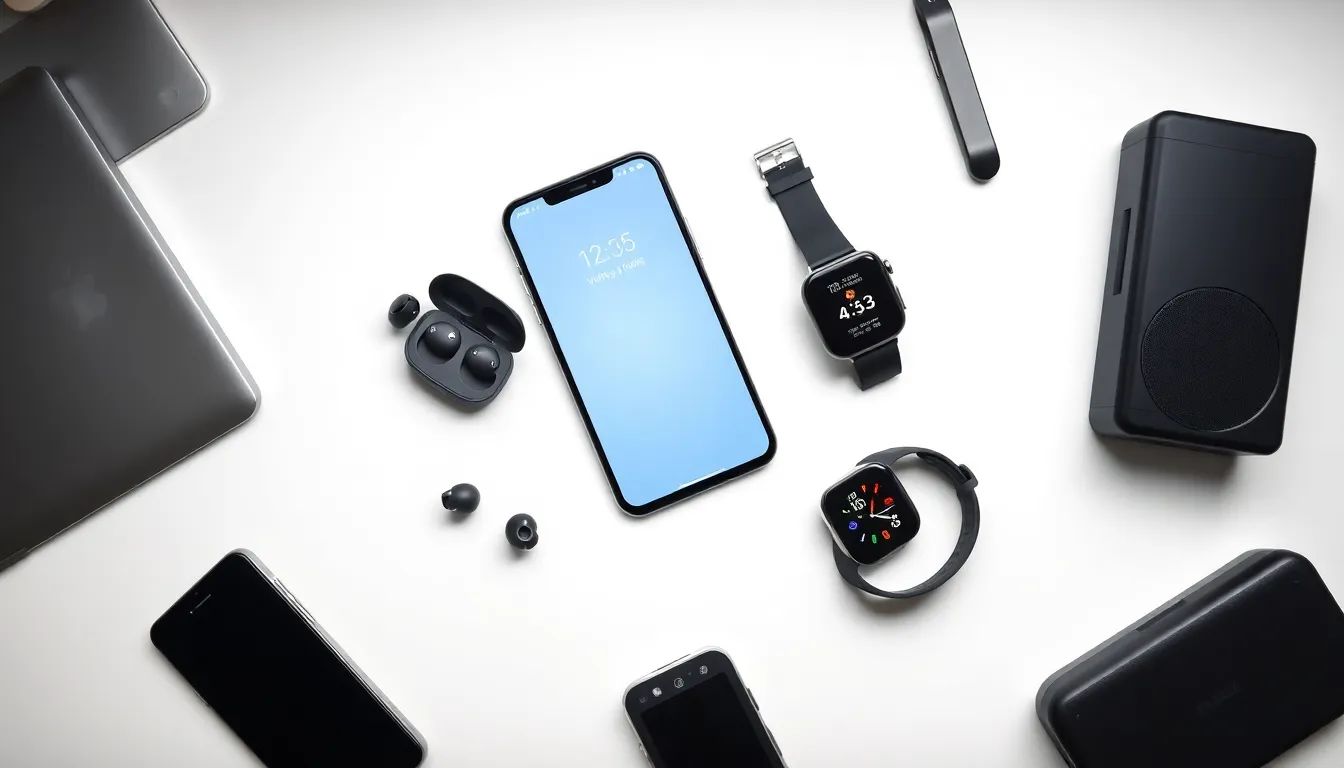
What is a gadget? This question comes up often as new electronic devices enter the market every year. A gadget is a small, useful electronic device designed to perform a specific function. These compact tools have become essential parts of modern life. From smartphones to smartwatches, gadgets help people communicate, work, and stay entertained. This article explains what gadgets are, explores common types, and shows how these devices shape daily routines.
Table of Contents
ToggleKey Takeaways
- A gadget is a small, portable electronic device designed to perform a specific function, such as communication, fitness tracking, or home automation.
- Modern gadgets share key features including connectivity, portability, intuitive interfaces, and sensor technology that make them essential for daily life.
- Common gadget categories include communication devices, wearables, audio equipment, smart home tools, and health and wellness trackers.
- Gadgets have transformed how people work, communicate, and manage their health by enabling instant connectivity and flexible lifestyles.
- What separates a gadget from regular electronics is its compact size, consumer focus, and specialization for targeted tasks.
- Integration and app ecosystems allow gadgets to work together and serve hundreds of purposes from a single device.
Defining Gadgets in Today’s World
A gadget is a small mechanical or electronic device that serves a practical purpose. The term originally described any clever or novel tool. Today, gadgets typically refer to portable electronic devices with specific functions.
Modern gadgets share several characteristics. They are compact, portable, and user-friendly. Most gadgets connect to the internet or other devices. They often feature touchscreens, sensors, and wireless capabilities.
The smartphone stands as the most recognizable gadget of our time. It combines a phone, camera, computer, and entertainment system into one pocket-sized device. But gadgets extend far beyond phones. Fitness trackers, wireless earbuds, and smart home controllers all qualify as gadgets.
What separates a gadget from a regular electronic device? Size and specialization matter most. A desktop computer is not a gadget, it’s too large and serves too many general purposes. A smartwatch, but, fits the definition perfectly. It’s small, wearable, and performs targeted tasks like tracking steps or displaying notifications.
Gadgets also tend to be consumer-focused rather than industrial. They’re designed for personal use and everyday convenience. A medical scanner in a hospital isn’t a gadget, but a portable blood pressure monitor for home use could be considered one.
Common Types of Gadgets
Gadgets fall into several categories based on their primary function. Understanding these categories helps clarify what qualifies as a gadget.
Communication Gadgets
Smartphones lead this category. They allow voice calls, text messages, video chats, and social media access. Tablets offer similar functions with larger screens. Smartwatches provide quick access to messages and calls without pulling out a phone.
Wearable Gadgets
Fitness trackers monitor steps, heart rate, and sleep patterns. Smartwatches combine fitness tracking with smartphone features. Smart glasses display information directly in the user’s field of vision. These gadgets attach to the body and collect personal data throughout the day.
Audio Gadgets
Wireless earbuds have replaced traditional headphones for many users. Portable Bluetooth speakers deliver music anywhere. Smart speakers like Amazon Echo and Google Home respond to voice commands and play audio on request.
Home Gadgets
Smart thermostats adjust home temperature automatically. Video doorbells show visitors on a smartphone screen. Robot vacuums clean floors without human input. Smart plugs turn regular appliances into connected devices.
Photography Gadgets
Action cameras capture video during sports and outdoor activities. Drones equipped with cameras film aerial footage. Instant cameras print photos seconds after taking them. Each gadget serves photographers with specific needs.
Health and Wellness Gadgets
Smart scales measure weight, body fat, and muscle mass. Sleep trackers analyze rest quality. Meditation headbands monitor brain activity during relaxation sessions. These gadgets help users track and improve their health.
How Gadgets Have Changed Daily Life
Gadgets have transformed how people live, work, and interact with each other. Their impact reaches into nearly every aspect of modern existence.
Communication happens instantly now. Smartphones allow people to reach anyone, anywhere, at any time. Video calls connect families across continents. Social media apps on these gadgets keep friends and colleagues linked throughout the day.
Work has become more flexible because of gadgets. Laptops and tablets let employees work from coffee shops, airports, or home offices. Smartwatches alert users to important emails without interrupting meetings. Wireless earbuds enable hands-free calls during commutes.
Health monitoring has moved from clinics to wrists. Fitness gadgets track daily activity and encourage movement. Heart rate monitors detect irregularities that might otherwise go unnoticed. Sleep trackers help users understand and improve their rest patterns.
Entertainment travels in pockets now. Streaming services deliver movies and music through smartphones. Portable gaming devices provide hours of play. E-readers store thousands of books in a single lightweight gadget.
Home management requires less effort thanks to smart gadgets. Thermostats learn household schedules and adjust temperatures automatically. Robot vacuums clean while residents work or sleep. Smart lights turn on and off based on motion or time of day.
These changes have happened remarkably fast. Twenty years ago, most people carried few gadgets. Today, the average person interacts with multiple gadgets before breakfast. This shift represents one of the fastest adoption curves in human history.
Key Features That Define Modern Gadgets
Several features distinguish modern gadgets from older electronic devices. These characteristics explain why gadgets have become so popular and useful.
Connectivity stands as the most important feature. Modern gadgets connect to WiFi networks, Bluetooth devices, and cellular data. This connectivity allows gadgets to share information, receive updates, and work together as systems.
Portability defines the gadget category. These devices are designed for movement. They’re lightweight, battery-powered, and built to survive daily transport. Users expect to carry their gadgets everywhere.
Intuitive interfaces make gadgets accessible to everyone. Touchscreens replaced complex button systems. Voice commands eliminate the need for physical input entirely. Even children and seniors can operate modern gadgets without extensive training.
Sensors expand what gadgets can do. Accelerometers detect motion. GPS chips track location. Cameras capture visual information. These sensors turn simple devices into powerful data-gathering tools.
App ecosystems extend gadget capabilities. A smartphone becomes a different tool depending on installed apps. This flexibility means one gadget can serve hundreds of purposes.
Regular updates keep gadgets current. Manufacturers push software improvements over the internet. Features improve and security strengthens without buying new hardware.
Integration allows gadgets to work together. A fitness tracker sends data to a smartphone. A smart speaker controls lights, locks, and thermostats. This interconnection creates systems greater than the sum of their parts.


